
Have you ever tried to propagate succulent leaves on soil, only to watch them turn into a mushy, yellow mess? Or scrunch and wither in harsh sunlight. Well, you aren’t alone. While the standard advice is to lay leaves on a tray of soil, there is another method that I learned recently from YouTube. And it has given me 99% success rate – especially in the humid air of Sydney. Propagating succulents from leaves without soil – air drying but with a hint of aesthetic – by making a garland of succulent leaves and hanging them in a bright but partly shaded spot.
Step-by-Step Air-Drying Guide
Ready to turn your succulent leaves into a living art? Follow these steps to master the air-dry method using a needle-and-thread.
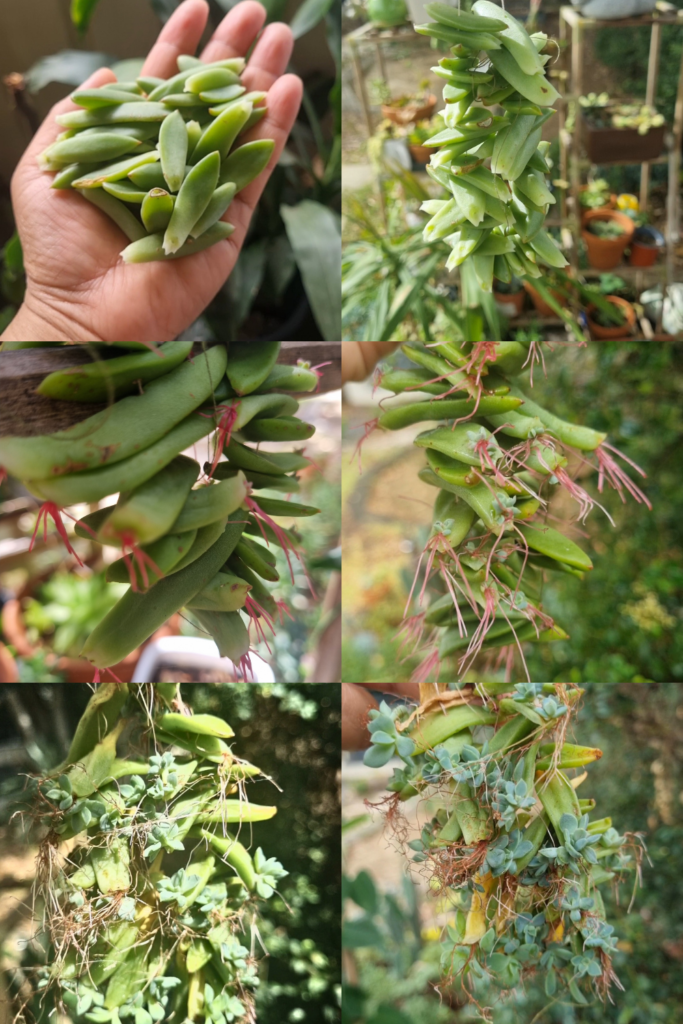
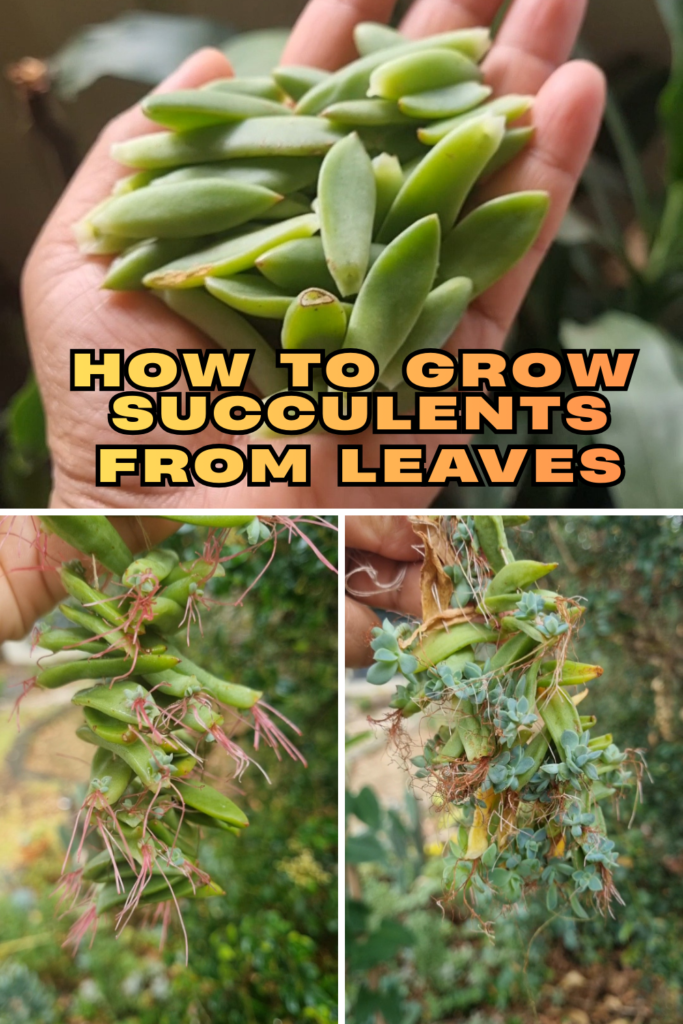
1. Collect healthy leaves: Find a healthy, hydrated “mother” plant. Gently grasp a lower leaf and wiggle it side-to-side until it “pops” off. The base must be perfectly intact; if it tears, it won’t grow. Collect plump healthy-looking leaves.
2. Make a Garland: Sterilize a thin sewing needle with rubbing alcohol. Carefully pierce through the center of the leaf. Avoid the base as the new succulent will grow from here. String together all the leaves, leaving a small gap between the leaves for airflow.
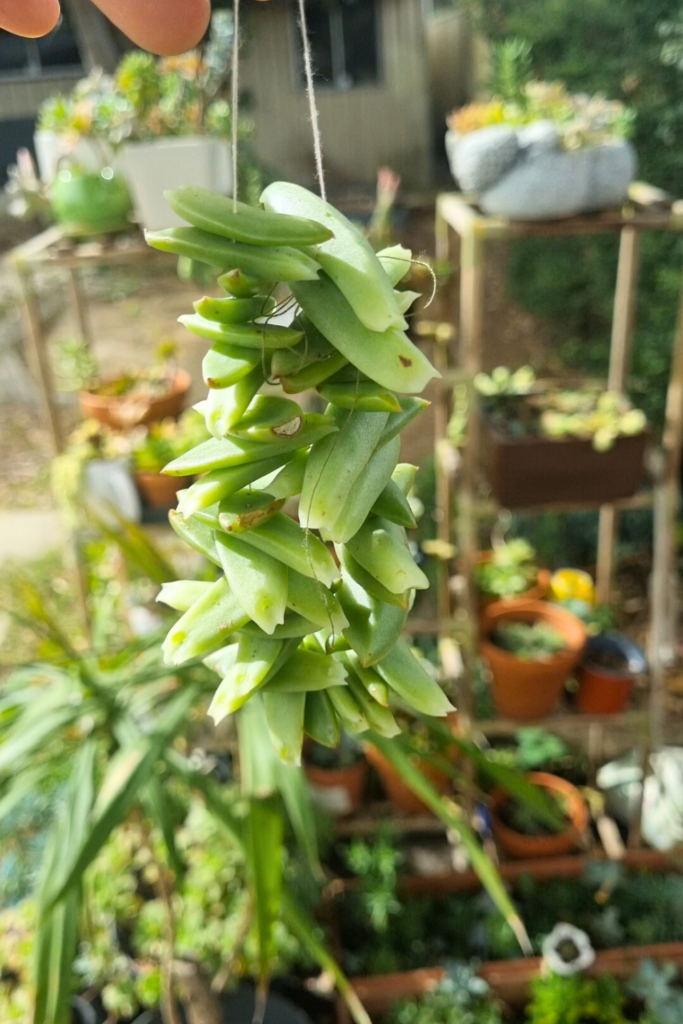
3. Callous Phase: Hang your garland in a dry, shaded indoor spot. After a few days, you will notice the leaves have callused. This allows the puncture wound and the stem end to dry out, preventing rot.
4. The Hanging Nursery: Move your garland to a spot with bright, indirect light. I placed my succulent garland in a spot that received morning and later afternoon light. Avoid direct midday sun, which can dehydrate the leaves before they root.
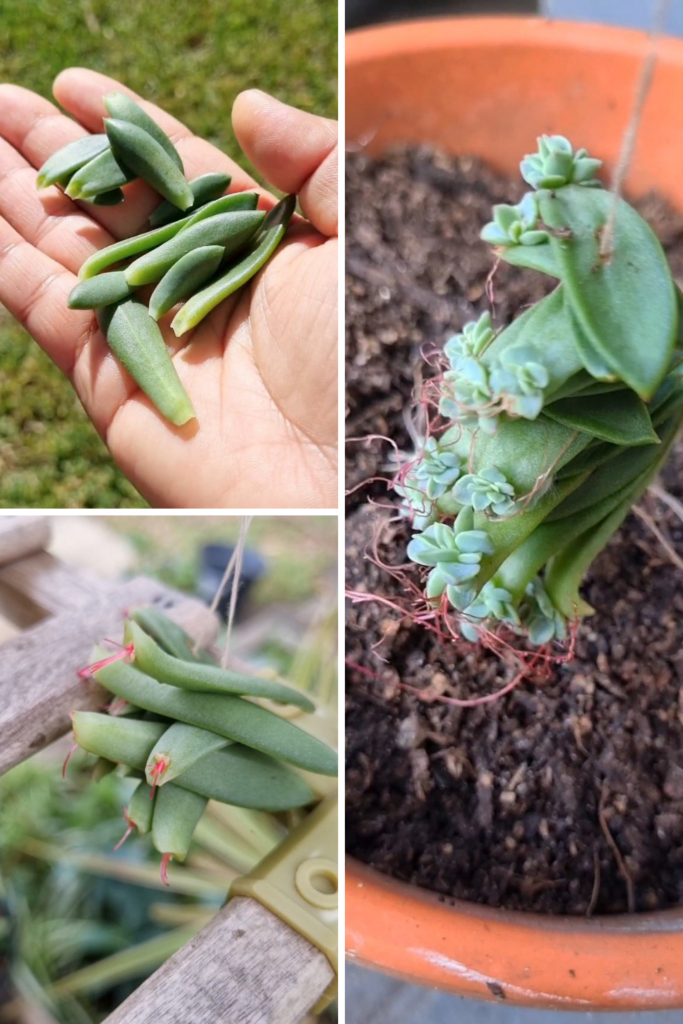
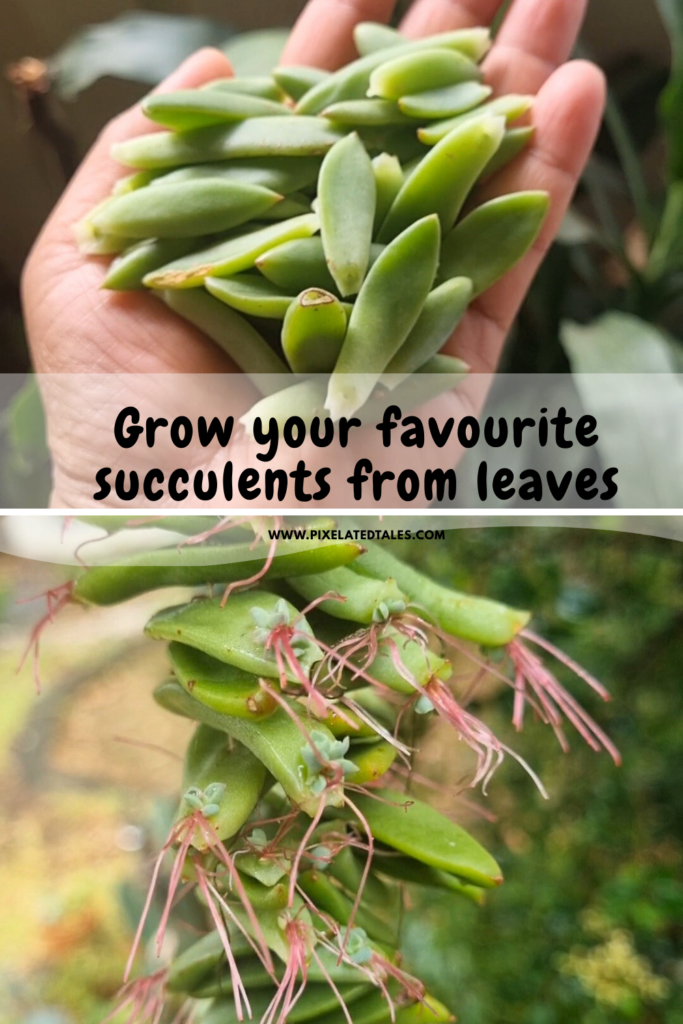
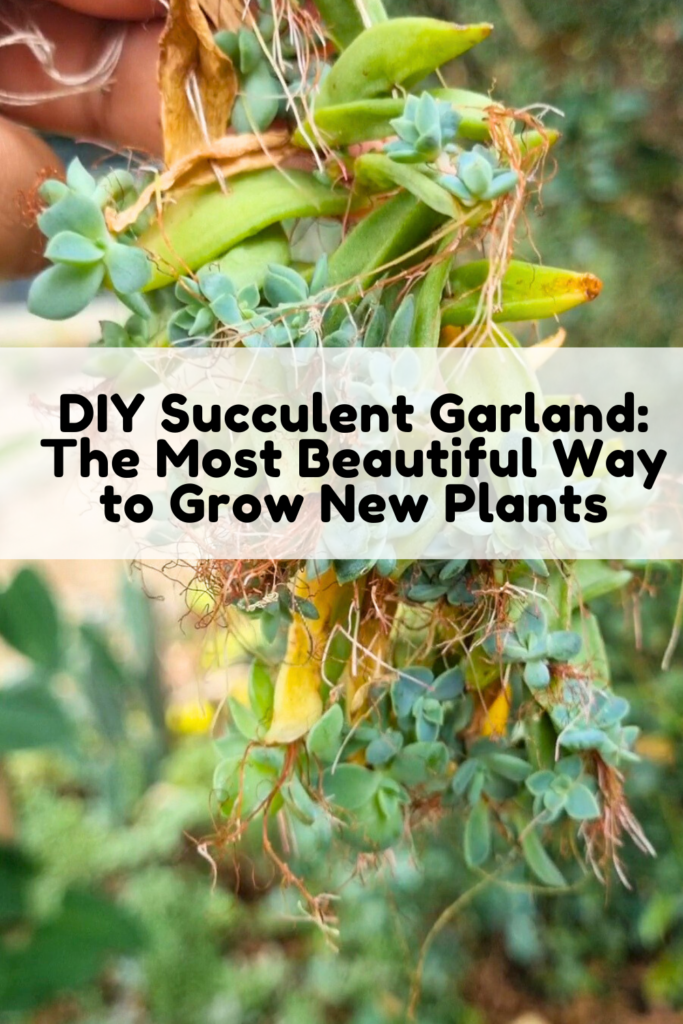
5. Whisker phase: Within 2–4 weeks, you’ll see tiny pink whiskers (roots) and miniature rosettes emerging from the tips. Since they are hanging, they have perfect drainage and zero risk of soil fungus. As the weeks pass by, the main leaf will wither and shrink, leaving behind fresh, cute baby succulents.
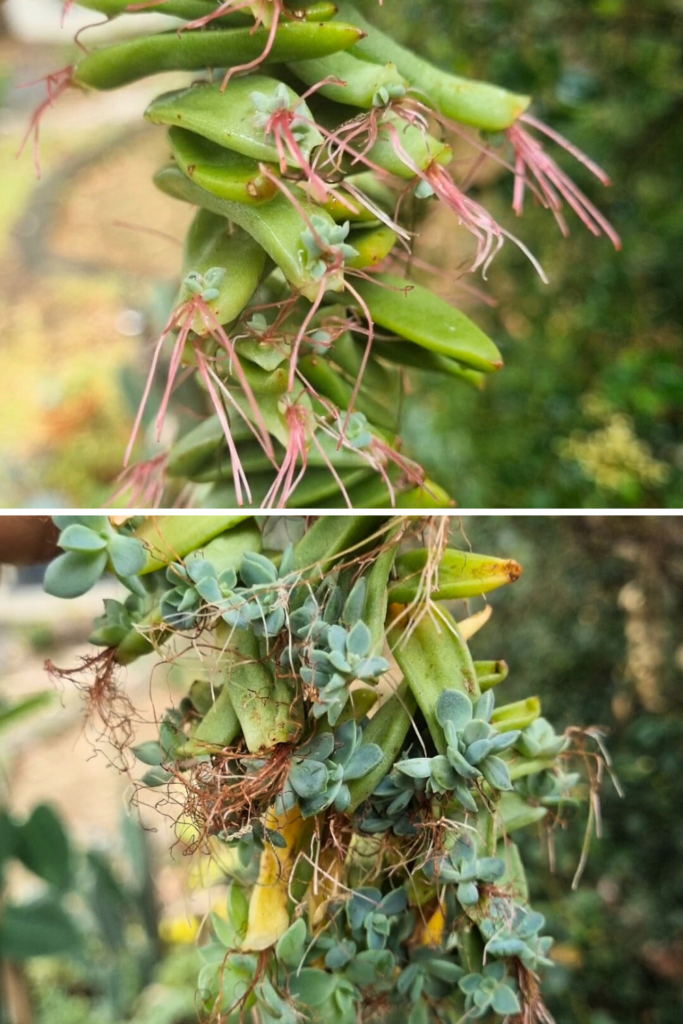
6. Soil Transition: Once the leaf has completely dried out, and a new baby succulent has developed long roots, lay the succulent on a gritty succulent mix and begin light misting.
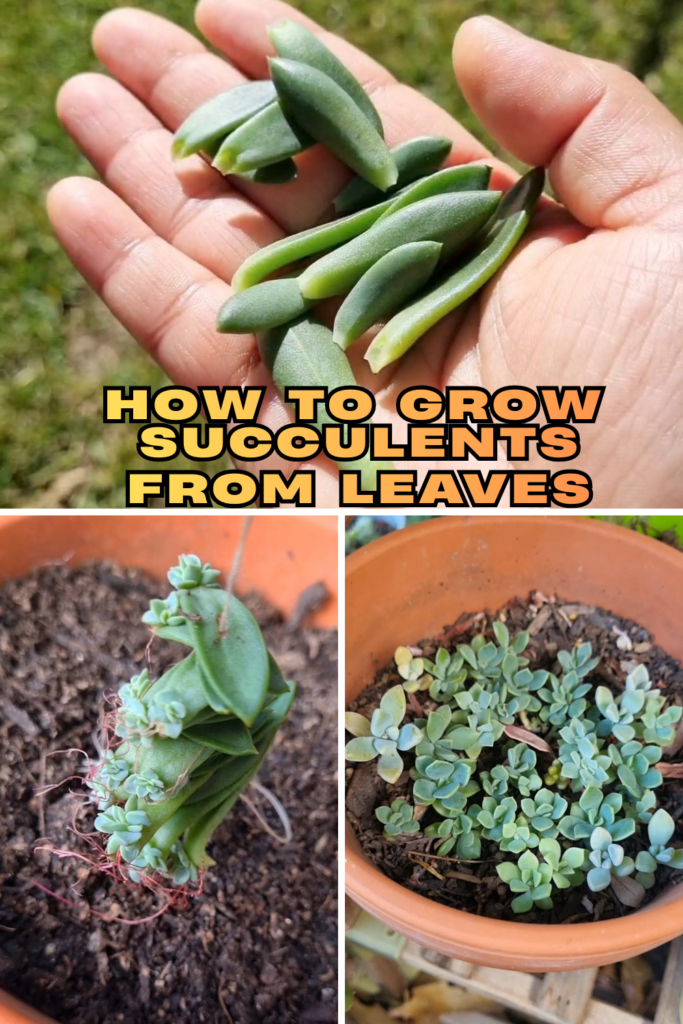
Soon, these succulents will grow into healthy plants, filling up the pot.
Sydney’s weather is a double-edged sword. The high humidity (often over 60%) means succulent leaves can stay hydrated for months without soil, which is why I have such a high success rate. However, that same humidity causes soil-based leaves to rot during summer rain spells.
Succulent Care Tips:
Once your succulent air propagation is successful and the tiny rosettes have appeared, move your new plants into a well-draining cactus and succulent potting mix, ideally in a container with drainage holes to prevent root rot. Always check the soil and condition of leaves before watering.
Avoid harsh afternoon rays which can scorch delicate new leaves. Water sparingly allowing the soil to dry out completely between waterings to mimic their natural arid habitat. Consistent airflow and avoiding overhead watering will keep your succulent garden thriving. Keep checking for pests, some of which can be easily cleaned off with soap water.
Some succulents that are easy to grow through this method are
- Graptopetalum paraguayense (Ghost Plant)
- Sedum rubrotinctum (Jelly Bean Plant)
- Echeveria ‘Perle von Nurnberg’
- Graptosedum ‘California Sunset’
- Crassula ovata (Jade Plant)
- Pachyphytum oviferum (Moonstones)
- Sedum morganianum (Burro’s Tail)
- Echeveria ‘Lola’
- Graptoveria ‘Debbie’
- Adromischus cristatus (Crinkle Leaf Plant)
Succulents that are hard or don’t grow from leaves
- Aeonium (Usually requires a stem cutting)
- Aloe Vera (Must be grown from “pups” or offsets)
- Haworthia (Extremely slow and rarely successful from leaves)
- Agave (Propagates via seeds or pups, not leaves)
- Sansevieria (Snake Plant – can grow in water/soil, but very difficult via the “air-dry” method)
- Senecio rowleyanus (String of Pearls – needs a stem strand)
- Sempervivum (Hens and Chicks – grows almost exclusively from offsets)
- Lithops (Living Stones – can only be grown from seed)
- Euphorbia (Contains toxic sap; better from stem cuttings)
- Cotyledon undulata (Silver Ruffles – very high failure rate from leaves)
Propagating succulents from leaves without soil is not just creative but also an easy-peasy way to grow new succulents at home. String up your leaves, embrace the neglect, and watch your suspended nursery bloom today.
Related Post – 10 House Plants grown from cuttings | Propagation
Pin for later


yeah absolutely. Although they grow in shade, they look even better in the bright sunlight. You will soon notice the leaves will start showing a reddish border.
I have a jade plant that I find easy to care for. Should I place it in sunlight once in a while, Raj?